Elementos Básicos de la Rehabilitación Deportiva: Una mirada Multidisciplinaria. Tomo II.: Evaluación y Diagnóstico en el Deportista
Keywords:
Evaluacion, Diagnostico, DeporteSynopsis
El libro surge de la experiencia docente y de la necesidad de ofrecer a los estudiantes y profesionales de fisioterapia conocimientos accesibles y actualizados sobre rehabilitación deportiva. Como continuación y ampliación de la obra publicada en 2018, presenta una perspectiva multidisciplinaria organizada en tres tomos, que abordan los fundamentos de la salud física y la actividad deportiva, la evaluación y el diagnóstico del deportista, y la rehabilitación y readaptación deportiva. A través de la colaboración de profesionales de la salud, la publicación integra conocimientos sobre evaluación, tratamiento, actividad física, ejercicio, nutrición, psicología deportiva y deporte adaptado, con el propósito de fortalecer la formación profesional y contribuir a la recuperación y el rendimiento integral de los deportistas.
Chapters
-
LESION DEPORTIVA: Una Visión General
-
LA EVALUACIÓN DEPORTIVA PREVIA A LA PARTICIPACIÓN
-
EVALUACION FUNCIONAL EN EL AMBITO DEPORTIVO
-
EVALUACIÓN NEUROLÓGICA EN EL DEPORTISTA
-
AYUDAS DIAGNOSTICAS EN EL DIAGNOSTICO DE LESIONES DEPORTIVAS
Downloads
Download data is not yet available.
Author Biographies
Pedro Antonio Calero Saa, Institución Universitaria Escuela Nacional del Deporte
 https://orcid.org/0000-0002-9978-7944
 pcalero22@gmail.com
Fisioterapeuta – Universidad Santiago de Cali. Diplomado en Docencia Universitaria – Universidad de Boyacá. Especialista en Epidemiología – Universidad de Boyacá. Magíster en Intervención Integral en el Deportista – Universidad Autónoma de Manizales. A lo largo de su trayectoria profesional y académica, ha ejercido como fisioterapeuta en atención de emergencias deportivas en diversos torneos de tenis, tanto nacionales como internacionales, incluyendo la III y IV Copa Bionaire (Challenger Internacional Femenino ITF) en 2009 y 2010, la II Parada Suramericana de Tenis COSAT (2009), y varios torneos entre 2009 y 2018, como la Copa Élite Indervalle y la Final Nacional Interclubes. Inició su carrera en la Clínica Colón de la Universidad Santiago de Cali en 2009 y en 2010 se unió a la Fundación Liga Colombiana contra la Epilepsia (LICCE). Entre 2011 y 2017, se desempeñó en el programa de Fisioterapia de la Universidad de Boyacá como docente de tiempo completo, tutor de egresados, coordinador de laboratorios, investigador del grupo CORPS y director del programa. En 2012, recibió el premio al Mérito Investigativo “Manuel Elkin Patarroyo” por parte de la Universidad de Boyacá y fue reconocido como egresado distinguido en el área investigativa por la Universidad Santiago de Cali. Ha sido ponente en conferencias nacionales e internacionales, par evaluador en encuentros de semilleros y en revistas académicas. En 2015, contribuyó a la vinculación del Programa de Fisioterapia de la Universidad de Boyacá a la red Internacional Rafa Pana mediante la Jornada de Actividad Física para fisioterapia. Es coautor del libro “Manual de Evaluación de la Aptitud Física, 2.ª Edición” (2016) y ha publicado en revistas tanto nacionales como internacionales. Entre 2017 y 2021, fue docente e investigador en el Grupo Salud y Movimiento de la Universidad Santiago de Cali, donde coordinó la publicación de “Elementos Básicos de la Rehabilitación Deportiva” (Tomo I y II) y contribuyó con capítulos en libros sobre modelos teóricos en fisioterapia y ayudas técnicas para la marcha. Fundó el Semillero de Investigación en Actividad Física, Ejercicio Físico, Deporte y Discapacidad (SIAFED). Se desempeñó como docente en el programa de Fisioterapia de la Fundación Universitaria María Cano hasta agosto de 2022. Desde entonces, ha estado impartiendo clases en el Programa de Especialización en Fisioterapia del Deporte y en el Programa de Fisioterapia de la Institución Universitaria Escuela Nacional del Deporte. Actualmente, el docente presenta clasificación de investigador asociado, según Min Ciencias.
Leidy Tatiana Ordoñez Mora, Universidad Santiago de Cali
https://orcid.org/0000-0001-8365-8155
tatiana.ormora@gmail.com
Fisioterapeuta de la Escuela Nacional del Deporte, Cali, Colombia. Especialista en Neurorrehabilitación de la Universidad Autónoma de Manizales, Manizales, Colombia. Magister en Neurorrehabilitación de la Universidad Autónoma de Manizales, Manizales, Colombia. Doctora en Ciencias Aplicadas de la Universidad Santiago de Cali, Colombia. Doctora en Ciencias de la Salud de la Universidad de Cádiz, España. Docente titular de la Universidad Santiago de Cali, Cali, Colombia. Investigador categoría Senior, integrante y líder del grupo de Investigación Salud y movimiento de la Universidad Santiago de Cali.
Nathalie Jhoanna Garcia Rios, Universidad Santiago de Cali
https://orcid.org/0009-0006-9497-4376
najho.garcia@gmail.com
Fisioterapeuta egresada - Universidad Santiago de Cali. Especialista en neurorrehabilitación - Escuela Colombiana de Rehabilitación, VIII cohorte, Bogotá - Colombia (2015). Magister en pedagogía - Universidad Popular Autónoma del Estado de Puebla (UPAEP), Puebla – México (2022), estudios convalidados en Colombia en agosto del 2022. Terapeuta acuática certificada con aquabrasil, WABA e IATF (International Aquatic Therapy Faculty). Doce años de experiencia laboral desde el área de la neurorrehabilitación pediátrica y adulta. Seis años de experiencia docente desde el área de neurorrehabilitación en universidades extranjeras (México) y colombiana (Cali), dando apoyo en cursos teóricos, teóricos prácticos y prácticos, al igual que en procesos de investigación como lo son en semilleros y en procesos de investigación. Actualmente apoyando al grupo de investigación Salud y movimiento, desde diferentes semilleros como lo son: desarrollo del movimiento y fisioterapia, tecnología y rehabilitación en la universidad Santiago de Cali.
Camilo Alberto Camargo Puerto, Hospital Universitario San Rafael de Tunja
https://orcid.org/0000-0002-9607-1692
dc.camilocamargo@gmail.com
Médico Cirujano - Universidad de Boyacá. Especialista en Medicina de la Actividad Física y del Deporte - Fundación Universitaria Ciencias de la Salud (FUCS). Su formación académica incluye especializaciones en Biomecánica y Obesidad, destacándose como Preceptor de Chip en Obesidad en la Universidad de Campinas en Sao Pablo. Con una sólida trayectoria en el ámbito deportivo, ha ejercido como Médico de equipo FIFA, complementando su conocimiento con un Diplomado en Docencia Universitaria y otro en Infiltraciones Osteomusculoarticulares. Especializado en ecografía músculo-esquelética, ha tomado cursos adicionales sobre ortobiológicos e infiltraciones articulares. Su experiencia incluye haber sido Médico de la selección Bogotá para UCAD y trabajar en eventos como los Juegos FIDES, ASCUN, y Nacionales y Paranacionales. Asimismo, ha colaborado con las fuerzas básicas de clubes como Millonarios F.C. y Fortaleza F.C., y ha sido Especialista en Gestión de Riesgo en la Secretaría de Salud de Bogotá para eventos deportivos. Académicamente, es docente en la Especialización en Medicina de la Actividad Física y del Deporte en la FUCS y ha sido profesor asociado en varias áreas en la Universidad de Boyacá, donde también cofundó y dirigió la Especialización en Medicina del Deporte. Su labor en investigación incluye la coordinación de la línea de investigación CIEDES y la fundación de CERMED IPS y la Media Maratón de Tunja. Ha publicado numerosos artículos y capítulos de libros, además de dirigir congresos y ser ponente en eventos internacionales. Es miembro activo de AMEDCO y Vicepresidente de la Sociedad Colombiana de Medicina Regenerativa. Su contribución al campo y su participación en comités académicos lo posicionan como un referente en su área.
Martín Hernán Bonilla Obando, Hospital Universitario San Rafael de Tunja
https://orcid.org/0000-0001-6577-0127
mhbonilla@uniboyaca.edu.co
Médico Cirujano - Universidad Libre Seccional Cali. Especialista en Medicina del Deporte y la Actividad Física - Universidad de Boyacá en Tunja, Boyacá. A lo largo de su carrera, ha sido reconocido como Médico de equipo FIFA y ha obtenido un Diplomado en Docencia Universitaria en el Politécnico Superior. Además, se ha destacado como ponente nacional en temas relacionados con la medicina del deporte y es autor de varios artículos científicos. En la actualidad, el Dr. ejerce como médico del deporte en el Hospital Universitario San Rafael de Tunja, el Hospital Regional de Duitama y el Centro Médico Colsanitas de Tunja. Anteriormente, trabajó como Médico del Deporte en CERMED IPS, contribuyendo significativamente al campo de la medicina deportiva.
Raúl Yesid Rodríguez Mayorga, Club Atlético Bucaramanga
https://orcid.org/0000-0002-2605-2461
raurodriguez@uniboyaca.edu.co
Médico Cirujano - Universidad Pedagógica y Tecnológica de Colombia (UPTC) en Tunja, Boyacá. Especialista en Medicina del Deporte y la Actividad Física - Universidad de Boyacá. A lo largo de su carrera, ha alcanzado el reconocimiento como Médico de equipo FIFA y obtuvo un Diplomado en Ondas de Choque a través de la Sociedad Colombiana de Ondas de Choque. Además, se ha destacado como ponente en eventos nacionales abordando temas relacionados con el alto rendimiento deportivo. En cuanto a su trayectoria profesional, el Dr. ocupa el cargo de Director del Departamento Médico del Club Atlético Bucaramanga. En su gestión, ha logrado llevar al club a la victoria, convirtiéndose en Campeón de la Liga Colombiana Betplay en el primer semestre de 2024. Su experiencia también incluye la participación como médico de campo en competencias deportivas internacionales, destacándose en la Conmebol Libertadores 2025.
Paola Andrea Galvez Giron, Institución Universitaria Escuela Nacional del Deporte
https://orcid.org/0009-0002-2507-5044
paolagalvez.ft@gmail.com
Fisioterapeuta – Institución Universitaria Escuela Nacional del Deporte. Diplomado Cuerpo Sonoro - Ministerio de Cultura - Universidad Pedagógica de Bogotá. Diplomado en Docencia Universitaria – Institución Universitaria Escuela Nacional del Deporte. Diplomado Fortalecimiento de habilidades comunicativas para la docencia en la educación superior - Escuela Nacional del Deporte. Magíster en Educación – Corporación Universitaria Minuto de Dios. Se desempeñó como fisioterapeuta en consulta externa, en la Red de Salud Sur Oriente de la ciudad de Cali, entidad del estado de nivel 2 de complejidad, realizando labores propias de la atención en el área osteomuscular y neurológica en diferentes grupos etarios, encargada de educación, valoraciones, planeación e intervención a los pacientes acudientes al servicio durante el periodo 2011 -2021, adicionalmente encargada de dar apoyo a los programas de prevención y promoción con adultos mayores, población de gestantes, y niños, así como a los diferentes programas direccionados desde la secretaria de salud como Rehabilitación Basada en Comunidad RCB. Durante el año 2017 laboró en alianza con el Instituto De Ortopedia Infantil Roosevelt- Proyecto Team Colombia con sede principal en la ciudad de Bogotá como responsable de atención domiciliaria de pacientes con patologías osteomusculares y neurológicas, encargada de realizar visitas domiciliarias, valoración a pacientes y componente educativo a cuidadores en zonas vulnerables de la ciudad de Cali. Se desempeña desde el año 2021 como docente del programa de Fisioterapia en la Institución Universitaria Escuela Nacional del Deporte en cursos teóricos y prácticos.
References
Afifi, A. K., & Bergman, R. A. (2020). Neuroanatomía funcional: Texto y atlas (3.ª ed.). McGraw Hill.
Aghi, A., Salvagnini, D., Berton, G., Cecconi, M., Della Valle, E., Spera, R., Mambelli, M., Palermi, S., Neunhaeuserer, D., & Vecchiato, M. (2023). Selective Functional Movement Assessment (SFMA) reliability and proposal of its use in sports. International Journal of Environmental Research and Public Health, 20(3), 2032. https://doi.org/10.3390/ijerph20032032
Albano, D., Aringhieri, G., Messina, C., De Flaviis, L., & Sconfienza, L. M. (2020). High-frequency and ultra-high frequency ultrasound: Musculoskeletal imaging up to 70 MHz. Seminars in Musculoskeletal Radiology, 24(2), 125–134. https://doi.org/10.1055/s-0039-3401042
Alfonso Mora, M. L., Rincón Bolívar, N. J., Betancourt Cárdenas, P. A., Camargo Caldas, N. E., Rojas Tavera, E. A., & Sáenz Garzón, C. (2018). Métodos de evaluación de la propiocepción en deportistas: Revisión de la literatura. Revista Digital Actividad Física y Deporte, 4(1). https://doi.org/10.31910/rdafd.v4.n1.2018.415
AlMakadma, Y., Eirale, C., & Chamari, K. (2022). Neuropathic pain in athletes: Basics of diagnosis and monitoring of a hidden threat. Biology of Sport, 39(4), 943–949. https://doi.org/10.5114/biolsport.2022.110744
Almendáriz Pozo, P. A., Bonifaz Arias, I. G., Álvarez Zambonino, E. E., & Sánchez Estrada, K. G. (2019). La propiocepción, método de prevención de lesiones de tobillo, en deportistas de categoría superior. PODIUM: Revista de Ciencia y Tecnología en la Cultura Física, 14(3), 451–462. http://scielo.sld.cu/scielo.php?script=sci_arttext&pid=S1996-24522019000300451&lng=es
American Academy of Family Physicians, American Academy of Pediatrics, American College of Sports Medicine, & American Medical Society for Sports Medicine. (2019). Capítulo 3: Timing, setting, and structure. En PPE: Preparticipation physical evaluation (5.ª ed., pp. 15–24). American Academy of Pediatrics.
American Academy of Orthopaedic Surgeons. (1965). Joint motion: Methods of measuring and recording. American Academy of Orthopaedic Surgeons.
American College of Sports Medicine. (2017). Health-related physical fitness testing and interpretation. En ACSM’s guidelines for exercise testing and prescription (10.ª ed., pp. 128–184). Wolters Kluwer.
American Physical Therapy Association. (s. f.-a). 10-meter walk test (10MWT) for spinal cord injury (SCI). https://www.apta.org/patient-care/evidence-based-practice-resources/test-measures/10-meter-walk-test-10mwt-for-spinal-cord-injury-sci
American Physical Therapy Association. (s. f.-b). Cranial and peripheral nerve integrity. https://guide.apta.org/examination-evaluation/categories/cranial-and-peripheral-nerve-integrity
American Physical Therapy Association. (s. f.-c). Mental functions. https://guide.apta.org/examination-evaluation/categories/mental-functions
American Physical Therapy Association. (s. f.-d). Motor function. https://guide.apta.org/examination-evaluation/categories/motor-function
American Physical Therapy Association. (s. f.-e). Pain. https://guide.apta.org/examination-evaluation/categories/pain
American Physical Therapy Association. (s. f.-f). Reflex integrity. https://guide.apta.org/examination-evaluation/categories/reflex-integrity
American Physical Therapy Association. (s. f.-g). Sensory integrity. https://guide.apta.org/examination-evaluation/categories/sensory-integrity
American Physical Therapy Association. (s. f.-h). Tests and measures: Balance. https://guide.apta.org/examination-evaluation/categories/tests-and-measures-balance
American Physical Therapy Association. (2013a). 10-meter walk test (10MWT) for traumatic brain injury (TBI). https://www.apta.org/patient-care/evidence-based-practice-resources/test-measures/10-meter-walk-test-10mwt-for-traumatic-brain-injury-tbi
American Physical Therapy Association. (2013b). 6-minute walk test (6MWT) for stroke. https://www.apta.org/patient-care/evidence-based-practice-resources/test-measures/6-minute-walk-test-6mwt-for-stroke
American Physical Therapy Association. (2013c). 9-hole peg test (9-HPT or NHPT). https://www.apta.org/patient-care/evidence-based-practice-resources/test-measures/9-hole-peg-test-9-hpt-or-nhpt
American Physical Therapy Association. (2013d). Dizziness Handicap Inventory (DHI) for traumatic brain injury (TBI). https://www.apta.org/patient-care/evidence-based-practice-resources/test-measures/dizziness-handicap-inventory-dhi-for-traumatic-brain-injury-tbi
American Physical Therapy Association. (2013e). Dynamic Gait Index (DGI) for stroke. https://www.apta.org/patient-care/evidence-based-practice-resources/test-measures/dynamic-gait-index-dgi-for-stroke
American Physical Therapy Association. (2013f). Dynamic Gait Index (DGI) for vestibular disorders. https://www.apta.org/patient-care/evidence-based-practice-resources/test-measures/dynamic-gait-index-dgi-for-vestibular-disorders
American Physical Therapy Association. (2013g). Four square step test (FSST) for vestibular disorders. https://www.apta.org/patient-care/evidence-based-practice-resources/test-measures/four-square-step-test-fsst-for-vestibular-disorders
American Physical Therapy Association. (2013h). Rivermead Mobility Index for traumatic brain injury. https://www.apta.org/patient-care/evidence-based-practice-resources/test-measures/rivermead-mobility-index-for-traumatic-brain-injury
American Physical Therapy Association. (2013i). Spinal Cord Independence Measure (SCIM, SCIM II, SCIM III). https://www.apta.org/patient-care/evidence-based-practice-resources/test-measures/spinal-cord-independence-measure-scim-scim-ii-scim-iii
American Physical Therapy Association. (2014a). 10-meter walk test (10MWT) for annual checkup. https://www.apta.org/patient-care/evidence-based-practice-resources/test-measures/10-meter-walk-test-10mwt-for-annual-checkup
American Physical Therapy Association. (2014b). Ashworth Scale (AS) and Modified Ashworth Scale (MAS). https://www.apta.org/patient-care/evidence-based-practice-resources/test-measures/ashworth-scale-as-and-modified-ashworth-scale-mas
American Physical Therapy Association. (2014c). Box and Block Test (BBT). https://www.apta.org/patient-care/evidence-based-practice-resources/test-measures/box-and-block-test-bbt
American Physical Therapy Association. (2014d). Five times sit to stand test (FTSST). https://www.apta.org/patient-care/evidence-based-practice-resources/test-measures/5-times-sit-to-stand-test-ftsst
American Physical Therapy Association. (2015). Cervical arterial dysfunction (CAD) assessment (vertebrobasilar insufficiency (VBI) test, vertebral artery test (VAT), neck extension-rotation test). https://www.apta.org/patient-care/evidence-based-practice-resources/test-measures/cervical-arterial-dysfunction-cad-assessment-vertebrobasilar-insufficiency-vbi-test-vertebral-artery-test-vat-neck-extension-rotation-test
American Physical Therapy Association. (2016). Balance Error Scoring System (BESS). https://www.apta.org/patient-care/evidence-based-practice-resources/test-measures/balance-error-scoring-system-bess
American Physical Therapy Association. (2017a). Boston carpal tunnel questionnaire (BCTQ). https://www.apta.org/patient-care/evidence-based-practice-resources/test-measures/boston-carpal-tunnel-questionnaire-bctq
American Physical Therapy Association. (2017b). Clinical test of sensory interaction and balance (CTSIB). https://www.apta.org/patient-care/evidence-based-practice-resources/test-measures/clinical-test-of-sensory-interaction-and-balance-ctsib
American Physical Therapy Association. (2017c). Neuropathic Pain Scale (NPS). https://www.apta.org/patient-care/evidence-based-practice-resources/test-measures/neuropathic-pain-scale-nps
American Physical Therapy Association. (2017d). Passive head-shaking nystagmus test (pHSN). https://www.apta.org/patient-care/evidence-based-practice-resources/test-measures/passive-head-shaking-nystagmus-test-phsn
American Physical Therapy Association. (2019). Purdue Pegboard Test (PPT). https://www.apta.org/patient-care/evidence-based-practice-resources/test-measures/purdue-pegboard-test-ppt
American Physical Therapy Association. (2020). Closed kinetic chain upper extremity stability test (CKCUEST). https://www.apta.org/patient-care/evidence-based-practice-resources/test-measures/closed-kinetic-chain-upper-extremity-stability-test-ckcuest
American Physical Therapy Association. (2022). Berg Balance Scale (BBS) for spinal cord injury (SCI). https://www.apta.org/patient-care/evidence-based-practice-resources/test-measures/berg-balance-scale-bbs-for-spinal-cord-injury-sci
American Physical Therapy Association. (2023). Guide to physical therapist practice 4.0. https://guide.apta.org
Andersen, C. A., Holden, S., Vela, J., Rathleff, M. S., & Jensen, M. B. (2019). Point-of-care ultrasound in general practice: A systematic review. Annals of Family Medicine, 17(1), 61–69. https://doi.org/10.1370/afm.2330
Arlettaz, M., Dorsch, L., & Catalfamo-Formento, P. (2024). Landing error scoring system: A scoping review about variants, reference values and differences according to sex and sport. Physical Therapy in Sport, 69, 67–75. https://doi.org/10.1016/j.ptsp.2024.07.005
Armstrong, R., & Greig, M. (2018). The Functional Movement Screen and modified Star Excursion Balance Test as predictors of T-test agility performance in university rugby union and netball players. Physical Therapy in Sport, 31, 15–21. https://doi.org/10.1016/j.ptsp.2018.01.003
Balady, G. J., Arena, R., Sietsema, K., Myers, J., Coke, L., Fletcher, G. F., Forman, D., Franklin, B., Guazzi, M., Gulati, M., Keteyian, S. J., Lavie, C. J., Macko, R., Mancini, D., & Milani, R. V. (2010). Clinician’s guide to cardiopulmonary exercise testing in adults: A scientific statement from the American Heart Association. Circulation, 122(2), 191–225. https://doi.org/10.1161/CIR.0b013e3181e52e69
Bang, M. D., & Deyle, G. D. (2000). Comparison of supervised exercise with and without manual physical therapy for patients with shoulder impingement syndrome. Journal of Orthopaedic & Sports Physical Therapy, 30(3), 126–137. https://doi.org/10.2519/jospt.2000.30.3.126
Bazett-Jones, D., Waiteman, M., & Glaviano, N. (2022). Depth of single-leg squat influences the two-dimensional analysis of knee, hip, and pelvis frontal plane motion in pain-free women. Gait & Posture, 98, 279–282. https://doi.org/10.1016/j.gaitpost.2022.10.001
Berger, A. (2002). How does it work? Magnetic resonance imaging. BMJ, 324(7328), 35. https://doi.org/10.1136/bmj.324.7328.35
Berryman, N., & Bandy, W. (2017). Measurement of range of motion and muscle length: Background, history, and basic principles. En Joint range of motion and muscle length testing (3.ª ed., pp. 3–28). Elsevier.
Best, T. M. (2004). The preparticipation evaluation: An opportunity for change and consensus. Clinical Journal of Sport Medicine, 14(3), 107–108. https://doi.org/10.1097/00042752-200405000-00001
Bialosky, J. E., Bishop, M. D., Price, D. D., Robinson, M. E., & George, S. Z. (2009). The mechanisms of manual therapy in the treatment of musculoskeletal pain: A comprehensive model. Manual Therapy, 14(5), 531–538. https://doi.org/10.1016/j.math.2008.09.001
Bodden, J., Needham, R., & Chockalingam, N. (2024). Comparing reach distance between the Y-Balance Test–Lower Quarter and Star Excursion Balance Test: Are practitioners using the correct protocol? Physical Therapy in Sport, 69, 84–90. https://doi.org/10.1016/j.ptsp.2024.07.007
Bonazza, N. A., Smuin, D., Onks, C. A., Silvis, M. L., & Dhawan, A. (2017). Reliability, validity, and injury predictive value of the Functional Movement Screen: A systematic review and meta-analysis. American Journal of Sports Medicine, 45(3), 725–732. https://doi.org/10.1177/0363546516641937
Bowers, R. L., Cherian, C., & Zaremski, J. L. (2022). A review of upper extremity peripheral nerve injuries in throwing athletes. PM&R, 14(5), 652–668. https://doi.org/10.1002/pmrj.12762
Boyle, M. (2011). Mobility and flexibility. En Advances in functional training: Training techniques for coaches, personal trainers and athletes (pp. 27–70). On Target Publications.
Bulley, C., Donaghy, M., Coppoolse, R., Bizzini, M., van Cingel, R., DeCarlo, M., Dekker, L., Grant, M., Meeusen, R., Phillips, N., & Risberg, M. (2005). Sports physiotherapy competencies and standards. Sports Physiotherapy For All Project. https://ifspt.org/wp-content/uploads/2012/04/SPTCompetenciesStandards-final-draft.pdf
Bunn, P. D. S., Rodrigues, A. I., & Bezerra da Silva, E. (2019). The association between the functional movement screen outcome and the incidence of musculoskeletal injuries: A systematic review with meta-analysis. Physical Therapy in Sport, 35, 146–158. https://doi.org/10.1016/j.ptsp.2018.11.011
Busch, A. M., Clifton, D. R., Onate, J. A., Ramsey, V. K., & Cromartie, F. (2017). Relationship of preseason movement screens with overuse symptoms in collegiate baseball players. International Journal of Sports Physical Therapy, 12(6), 960–966. https://pmc.ncbi.nlm.nih.gov/articles/PMC4970848/pdf/ijspt-11-575.pdf
Calero-Saa, P. (2018). Herramientas de la evaluación en la rehabilitación deportiva. En Elementos básicos de la rehabilitación deportiva: Tomo II (pp. 20–67). Universidad Santiago de Cali.
Campolettano, E. T., Gellner, R. A., & Rowson, S. (2018). Assessing static and dynamic postural control in a healthy population. Biomedical Sciences Instrumentation, 54(1), 24–31. https://pmc.ncbi.nlm.nih.gov/articles/PMC7480876/pdf/nihms-1034467.pdf
Cardoso, R., Lumini-Oliveira, J., & Meneses, R. F. (2019). Associations between posture, voice, and dysphonia: A systematic review. Journal of Voice, 33(1), 124.e1–124.e12. https://doi.org/10.1016/j.jvoice.2017.08.030
Chen, C.-C., & Chen, D.-Y. (2023). The clinical utility of musculoskeletal ultrasound for disease activity evaluation and therapeutic response prediction in rheumatoid arthritis patients: A narrative review. Journal of Medical Ultrasound. https://doi.org/10.4103/jmu.jmu_126_22
Clark, D. L., Boutros, N. N., & Mendez, M. F. (2018). The brain and behavior: An introduction to behavioral neuroanatomy (4.ª ed.). Cambridge University Press.
Clarkson, H. (2013). Shoulder complex. En Musculoskeletal assessment: Joint motion and muscle testing (3.ª ed., pp. 64–140). Wolters Kluwer.
Cleland, J. A., Childs, J. D., Fritz, J. M., Whitman, J. M., & Eberhart, S. L. (2007). Development of a clinical prediction rule for guiding treatment of a subgroup of patients with neck pain: Use of thoracic spine manipulation, exercise, and patient education. Physical Therapy, 87(1), 9–23. https://doi.org/10.2522/ptj.20060155
Cleland, J. A., Childs, J. D., McRae, M., Palmer, J. A., & Stowell, T. (2005). Immediate effects of thoracic manipulation in patients with neck pain: A randomized clinical trial. Manual Therapy, 10(2), 127–135. https://doi.org/10.1016/j.math.2004.08.005
Conangla-Ferrin, L., Guirado-Vila, P., Solanes-Cabús, M., Teixidó-Gimeno, D., Díez-García, L., Pujol-Salud, J., et al. (2022). Ultrasound in primary care: Consensus recommendations on its applications and training. Results of a 3-round Delphi study. European Journal of General Practice, 28(1), 253–259. https://doi.org/10.1080/13814788.2022.2150163
Conduah, A. H., Baker, C. L., III, & Baker, C. L., Jr. (2010). Clinical management of scapulothoracic bursitis and the snapping scapula. Sports Health, 2(2), 147–155. https://doi.org/10.1177/1941738109338359
Conrad, W., & Gorniak, G. (2022b). Joint movement. En Upper and lower extremity biomechanics: Biomechanics for the health sciences (pp. 51–60). Bookboon Learning.
Cook, G., Burton, L., & Hoogenboom, B. (2006). Pre-participation screening: The use of fundamental movements as an assessment of function – Part 1. North American Journal of Sports Physical Therapy, 1(2), 62–72. https://pmc.ncbi.nlm.nih.gov/articles/PMC2953313/
Cook, G., Burton, L., Kiesel, K., Rose, G., & Bryant, M. (2011a). Appendix 1: The joint-by-joint concept. En Functional movement systems: Screening, assessment, corrective strategies (pp. 319–321). On Target Publications.
Cook, G., Burton, L., Kiesel, K., Rose, G., & Bryant, M. (2011b). Functional Movement Screen descriptions. En Functional movement systems: Screening, assessment, corrective strategies (pp. 87–106). On Target Publications.
Cook, G., Burton, L., Kiesel, K., Rose, G., & Bryant, M. (2011c). Movement screening. En Functional movement systems: Screening, assessment, corrective strategies (pp. 65–72). On Target Publications.
Cook, G., Burton, L., Kiesel, K., Rose, G., & Bryant, M. (2011d). SFMA introduction and top-tier tests. En Functional movement systems: Screening, assessment, corrective strategies (pp. 107–131). On Target Publications.
Cook, G., Burton, L., Kiesel, K., Rose, G., Bryant, M., & Torine, J. (2011e). Chapter 3: Understanding movement. En Functional movement systems: Screening, assessment, corrective strategies (pp. 51–64). On Target Publications.
Correa, J., Abella, P., & Walteros, E. (2020). Infiltración ecoguiada articular de plasma rico en factores de crecimiento como terapia regenerativa en lesiones del manguito rotador. Revista Colombiana de Ortopedia y Traumatología, 34(1), 39–44. https://doi.org/10.1016/j.rccot.2020.04.015
Crema, M. D., Yamada, A. F., Guermazi, A., Roemer, F. W., & Skaf, A. Y. (2015). Imaging techniques for muscle injury in sports medicine and clinical relevance. Current Reviews in Musculoskeletal Medicine, 8(2), 154–161. https://doi.org/10.1007/s12178-015-9260-4
Crim, J. (2024). Bone radiographs: Sometimes overlooked, often difficult to read, and still important. Skeletal Radiology, 53(9), 1687–1698. https://doi.org/10.1007/s00256-023-04498-y
Crossman, A. R., & Neary, D. (2019). Neuroanatomía: Texto y atlas en color (6.ª ed.). Elsevier.
Currier, L. L., Froehlich, P. J., Carow, S. D., McAndrew, R. K., Cliborne, A. V., Boyles, R. E., Mansfield, L. T., & Wainner, R. S. (2007). Development of a clinical prediction rule to identify patients with knee pain and clinical evidence of knee osteoarthritis who demonstrate a favorable short-term response to hip mobilization. Physical Therapy, 87(9), 1106–1119. https://doi.org/10.2522/ptj.20060066
D’Agostino, V., Sorriento, A., Cafarelli, A., Donati, D., Papalexis, N., Russo, A., et al. (2024). Ultrasound imaging in knee osteoarthritis: Current role, recent advancements, and future perspectives. Journal of Clinical Medicine, 13(16), 4930. https://doi.org/10.3390/jcm13164930
Das, R. K., & Drolet, B. C. (2022). Lessons from Theranos – Restructuring biomedical innovation. Journal of Medical Systems, 46(5). https://doi.org/10.1007/s10916-022-01813-3
Del Sol, M., & Hunter, K. (2004). Evaluación postural de individuos mapuche de la zona costera de la IX región de Chile. International Journal of Morphology, 22(4), 339–342. https://doi.org/10.4067/S0717-95022004000400017
Deyle, G. D., Henderson, N. E., Matekel, R. L., Ryder, M. G., Garber, M. B., & Allison, S. C. (2000). Effectiveness of manual physical therapy and exercise in osteoarthritis of the knee: A randomized, controlled trial. Annals of Internal Medicine, 132(3), 173–181. https://doi.org/10.7326/0003-4819-132-3-200002010-00002
Diniz, K. M. A., Resende, R. A., Mascarenhas, R. O., Silva, H. J., Filho, R. G. T., & Mendonça, L. M. (2021). Hip passive stiffness is associated with hip kinematics during single-leg squat. Journal of Bodywork and Movement Therapies, 28, 68–74. https://doi.org/10.1016/j.jbmt.2021.06.008
Dix, J., Marsh, S., Dingenen, B., & Malliaras, P. (2019). The relationship between hip muscle strength and dynamic knee valgus in asymptomatic females: A systematic review. Physical Therapy in Sport, 37, 197–209. https://doi.org/10.1016/j.ptsp.2018.05.015
Dolbeer, J., Mason, J., Morris, J., Crowell, M., & Goss, D. (2017). Inter-rater reliability of the selective functional movement assessment (SFMA) by SFMA certified physical therapists with similar clinical and rating experience. International Journal of Sports Physical Therapy, 12(5), 752–763. https://pmc.ncbi.nlm.nih.gov/articles/PMC5685414/pdf/ijspt-12-752.pdf
Donati, F., Guicciardi, C., Lodi, E., Fernando, F., Palermi, S., Modena, M. G., & Biffi, A. (2023). Echocardiography in the preparticipation screening: An old topic revisited. Journal of Cardiovascular Medicine, 24(5), 297–301. https://doi.org/10.2459/JCM.0000000000001460
Donohue, M. R., Ellis, S. M., Heinbaugh, E. M., Stephenson, M. L., Zhu, Q., & Dai, B. (2015). Differences and correlations in knee and hip mechanics during single-leg landing, single-leg squat, double-leg landing, and double-leg squat tasks. Research in Sports Medicine, 23(4), 394–411. https://doi.org/10.1080/15438627.2015.1076413
Dores, H., Dinis, P., Viegas, J. M., & Freitas, A. (2024). Preparticipation cardiovascular screening of athletes: Current controversies and challenges for the future. Diagnostics, 14(21), 2445. https://doi.org/10.3390/diagnostics14212445
Douglas, W., & Siddiqi, A. (2021). Preparticipation evaluation. En G. Miranda-Comas, G. Cooper, J. Herrera, & S. Curtis (Eds.), Essential sports medicine: A clinical guide for students and residents (2.ª ed., pp. 45–73). Springer.
Drezner, J. A., Sharma, S., Baggish, A., Papadakis, M., Wilson, M. G., Prutkin, J. M., La Gerche, A., Ackerman, M. J., Borjesson, M., Salerno, J. C., Asif, I. M., Owens, D. S., Chung, E. H., Emery, M. S., Froelicher, V. F., Heidbuchel, H., Adamuz, C., Asplund, C. A., Cohen, G., . . . Corrado, D. (2017). International criteria for electrocardiographic interpretation in athletes: Consensus statement. British Journal of Sports Medicine, 51(9), 704–731. https://doi.org/10.1136/bjsports-2016-097331
El-Tallawy, S. N., Nalamasu, R., Salem, G. I., LeQuang, J. A. K., Pergolizzi, J. V., & Christo, P. J. (2021). Management of musculoskeletal pain: An update with emphasis on chronic musculoskeletal pain. Pain and Therapy, 10(1), 181–209. https://doi.org/10.1007/s40122-021-00235-2
Everard, E., Lyons, M., & Harrison, A. J. (2018). Examining the association of injury with the Functional Movement Screen and Landing Error Scoring System in military recruits undergoing 16 weeks of introductory fitness training. Journal of Science and Medicine in Sport, 21(6), 569–573. https://doi.org/10.1016/j.jsams.2017.05.013
Farley, J. B., Barrett, L. M., Keogh, J. W. L., Woods, C. T., & Milne, N. (2020). The relationship between physical fitness attributes and sports injury in female, team ball sport players: A systematic review. Sports Medicine – Open, 6(1), 45. https://doi.org/10.1186/s40798-020-00264-9
Fauntroy, V., Fyock, M., Hansen-Honeycutt, J., Nolton, E., & Ambegaonkar, J. P. (2019). Using the Selective Functional Movement Assessment for the evaluation of dancers’ functional limitations and dysfunctions: A critically appraised topic. Journal of Sport Rehabilitation, 28(8), 891–896. https://doi.org/10.1123/jsr.2018-0054
Fedorak, C., Ashworth, N., Marshall, J., & Paull, H. (2003). Reliability of the visual assessment of cervical and lumbar lordosis: How good are we? Spine, 28(16), 1857–1859. https://doi.org/10.1097/01.BRS.0000083281.48923.BD
Fernandes, G. C. A. M., Lima, E. B. S., Lara, P. H. S., Gandolfi, A. C. C., Pagura, J. R., Arliani, G. G., & Cohen, M. (2024). Sport-related concussion in Brazilian professional soccer: A four-year prospective epidemiological analysis. Sports Medicine and Health Science, 7(3), 224–229. https://doi.org/10.1016/j.smhs.2024.07.001
Fernández-de-las-Peñas, C., Cleland, J. A., Huijbregts, P., Palomeque-del-Cerro, L., & González-Iglesias, J. (2009). Repeated applications of thoracic spine thrust manipulation do not lead to tolerance in patients presenting with acute mechanical neck pain: A secondary analysis. Journal of Manual & Manipulative Therapy, 17(3), 154–162. https://doi.org/10.1179/jmt.2009.17.3.154
Finnoff, J. T., Hall, M. M., Kyle, K., Krause, D. A., Lai, J., & Smith, J. (2011). Hip strength and knee pain in high school runners: A prospective study. PM&R, 3(9), 792–801. https://doi.org/10.1016/j.pmrj.2011.04.007
Flores, D. V., Mejía Gómez, C., Estrada-Castrillón, M., Smitaman, E., & Pathria, M. N. (2018). MR imaging of muscle trauma: Anatomy, biomechanics, pathophysiology, and imaging appearance. Radiographics, 38(1), 124–148. https://doi.org/10.1148/rg.2018170072
Fox, J. A., Luther, L., Epner, E., & LeClere, L. (2024). Shoulder proprioception: A review. Journal of Clinical Medicine, 13(7), 2077. https://doi.org/10.3390/jcm13072077
Fraldi, M., Palumbo, S., Cutolo, A., Carotenuto, A. R., & Bigoni, D. (2023). Bimodal buckling governs human fingers’ luxation. Proceedings of the National Academy of Sciences, 120(44). https://doi.org/10.1073/pnas.2311637120
Frohm, A., Heijne, A., Kowalski, J., Svensson, P., & Myklebust, G. (2012). A nine-test screening battery for athletes: A reliability study. Scandinavian Journal of Medicine & Science in Sports, 22(3), 306–315. https://doi.org/10.1111/j.1600-0838.2010.01267.x
Frontera, W., & Delisa, J. (2020). Clinical evaluation. En DeLisa’s physical medicine and rehabilitation: Principles and practice (6.ª ed., pp. 51–201). Wolters Kluwer.
Fruth, S. (2018a). Musculoskeletal examination. En Fundamentals of the physical therapy examination: Patient interview and tests & measures (pp. 213–346). Jones & Bartlett Learning.
Fruth, S. (2018b). Musculoskeletal examination: Palpation. En Fundamentals of the physical therapy examination: Patient interview and tests & measures (2.ª ed., pp. 339–341). Jones & Bartlett Learning.
Fruth, S., & Faecett, C. (2020). Musculoskeletal examination. En Fundamentals of tests and measures for the physical therapist assistant (pp. 181–316). Jones & Bartlett Learning.
Fukuda, D. (2019a). Flexibility and balance. En Assessments for sport and athletic performance (pp. 77–105). Human Kinetics.
Fukuda, D. (2019b). Muscular strength and endurance. En Assessments for sport and athletic performance (pp. 165–207). Human Kinetics.
Fukuda, D. (2019c). Power. En Assessments for sport and athletic performance (pp. 133–164). Human Kinetics.
Fuller, C. M. (2000). Cost effectiveness analysis of screening of high school athletes for risk of sudden cardiac death. Medicine & Science in Sports & Exercise, 32(5), 887–890. https://doi.org/10.1097/00005768-200005000-00002
Garbenyt?-Apolinskien?, T., Šiupšinskas, L., Salatkait?, S., et al. (2018). The effect of integrated training program on functional movements patterns, dynamic stability, biomechanics, and muscle strength of lower limbs in elite young basketball players. Sport Sciences for Health, 14, 245–250. https://doi.org/10.1007/s11332-017-0409-y
Gerber, C., & Ganz, R. (1984). Clinical assessment of instability of the shoulder: With special reference to anterior and posterior drawer tests. Journal of Bone and Joint Surgery. British Volume, 66(4), 551–556. https://doi.org/10.1302/0301-620X.66B4.6746691
Gerstner, J., & Gerstner, J. B. (2011). Manual de semiología del aparato locomotor (13.ª ed.). Celsus.
Gomes, D. A., da Costa, G. V., Martins, E. C., Silva, D. O., Haupenthal, A., Ruschel, C., de Castro, M. P., & Fontana, H. B. (2023). Are visual assessments of the single-leg squat valid to be used in clinical practice? A systematic review of measurement properties based on the COSMIN guideline. Physical Therapy in Sport, 63, 118–125. https://doi.org/10.1016/j.ptsp.2023.07.009
González-Huete, A., Salgado-Parente, A., Suevos-Ballesteros, C., Antolinos-Macho, E., Ventura-Díaz, S., Michael-Fernández, A., et al. (2023). Radiographic evaluation of bone tumors. Radiographics, 43(11). https://doi.org/10.1148/rg.230048
González-Iglesias, J., Fernández-de-las-Peñas, C., Cleland, J. A., & Gutiérrez-Vega, M. del R. (2009). Thoracic spine manipulation for the management of patients with neck pain: A randomized clinical trial. Journal of Orthopaedic & Sports Physical Therapy, 39(1), 20–27. https://doi.org/10.2519/jospt.2009.2914
Gottlieb, U., Hoffman, J., & Springer, S. (2023). Dynamic postural control in individuals with and without chronic ankle instability: Do the modified star-excursion balance test and jump-landing stabilization have the same control mechanism? Physical Therapy in Sport, 23, 104–111. https://doi.org/10.1016/j.ptsp.2023.01.011
Grayson, J., Hillard, D., Antcliff, A., Chan, C., Nightingale, E., & Pappas, E. (2024). The effect of the KNEE program for netball players on the modified Star Excursion Balance Test: A randomized controlled trial. Physical Therapy in Sport, 67, 83–89. https://doi.org/10.1016/j.ptsp.2024.03.004
Gribble, P., Hertel, J., & Plisky, P. (2012). Using the Star Excursion Balance Test to assess dynamic postural-control deficits and outcomes in lower extremity injury: A literature and systematic review. Journal of Athletic Training, 47(3), 339–357. https://doi.org/10.4085/1062-6050-47.3.08
Gross, J., Fetto, J., & Rosen, E. (2016a). Basic concepts of physical examination. En Musculoskeletal examination (4.ª ed., pp. 14–30). Wiley Blackwell.
Gross, J., Fetto, J., & Rosen, E. (2016b). Introduction. En Musculoskeletal examination (4.ª ed., pp. 1–13). Wiley Blackwell.
Guazzi, M., Bandera, F., Ozemek, C., Systrom, D., & Arena, R. (2017). Cardiopulmonary exercise testing: What is its value? Journal of the American College of Cardiology, 70(13), 1618–1636. https://doi.org/10.1016/j.jacc.2017.08.012
Guermazi, A., Hayashi, D., Eckstein, F., Hunter, D. J., Duryea, J., & Roemer, F. W. (2013). Imaging of osteoarthritis. Rheumatic Disease Clinics of North America, 39(1), 67–105. https://doi.org/10.1016/j.rdc.2012.10.003
Gunn, C. C., & Milbrandt, W. E. (1976). Tennis elbow and the cervical spine. Canadian Medical Association Journal, 114(9), 803–809. https://pmc.ncbi.nlm.nih.gov/articles/PMC1957126/pdf/canmedaj01557-0063.pdf
Ha, A. S., Porrino, J. A., & Chew, F. S. (2014). Radiographic pitfalls in lower extremity trauma. American Journal of Roentgenology, 203(3), 492–500. https://doi.org/10.2214/ajr.14.12626
Haefeli, M., & Elfering, A. (2006). Pain assessment. European Spine Journal, 15(Supl. 1), S17–S24. https://doi.org/10.1007/s00586-005-1044-x
Hall, S., & Stephens, J. (2020). Lo esencial en anatomía y fisiología: Cursos crash. Elsevier.
Hamill, J., Knutzen, K., & Derrick, T. (2015a). Basic terminology. En Biomechanical basis of human movement (4.ª ed., pp. 3–24). Wolters Kluwer.
Hanzlíková, I., Atenas, J., & Hébert-Losier, K. (2020). Clinical implications of Landing Error Scoring System calculation methods. Physical Therapy in Sport, 44, 61–66. https://doi.org/10.1016/j.ptsp.2020.04.035
Hanzlíková, I., & Hébert-Losier, K. (2020a). Is the Landing Error Scoring System reliable and valid? A systematic review. Sports Health, 12(2), 181–188. https://doi.org/10.1177/1941738119886593
Hanzlíková, I., & Hébert-Losier, K. (2020b). Landing Error Scoring System scores change with knowledge of scoring criteria and prior performance. Physical Therapy in Sport, 46, 155–161. https://doi.org/10.1016/j.ptsp.2020.09.004
Harmon, K. G., Asif, I. M., Maleszewski, J. J., Owens, D. S., Prutkin, J. M., Salerno, J. C., Zigman, M. L., Ellenbogen, R., Rao, A. L., Ackerman, M. J., & Drezner, J. A. (2015). Incidence, cause, and comparative frequency of sudden cardiac death in National Collegiate Athletic Association athletes: A decade in review. Circulation, 132(1), 10–19. https://doi.org/10.1161/CIRCULATIONAHA.115.015431
Hattori, S., Saggar, R., Heidinger, E., Qi, A., Mullen, J., Fee, B., et al. (2024). Advances in ultrasound-guided surgery and artificial intelligence applications in musculoskeletal diseases. Diagnostics, 14(18), 2008. https://doi.org/10.3390/diagnostics14182008
Hébert-Losier, K., Boswell-Smith, C., & Hanzlíková, I. (2023). Effect of an overhead goal on landing error scoring system and jump height measures. Physical Therapy in Sport, 59, 115–121. https://doi.org/10.1016/j.ptsp.2022.11.005
Herman, D., Gadi, N., & Peck, E. (2019). Team medical coverage. En M. Miller & S. Thompson (Eds.), DeLee, Drez, & Miller’s orthopaedic sports medicine: Principles and practice (5.ª ed., pp. 144–157.e3). Elsevier.
Hernández-García, R., Gil-López, M. I., Martínez-Pozo, D., Martínez-Romero, M. T., Aparicio-Sarmiento, A., Cejudo, A., et al. (2020). Validez y confiabilidad del nuevo protocolo básico de evaluación funcional (BFA). International Journal of Environmental Research and Public Health, 17(13), 4845. https://doi.org/10.3390/ijerph17134845
Herrington, L. (2011). Assessment of the degree of pelvic tilt within a normal asymptomatic population. Manual Therapy, 16(6), 646–648. https://doi.org/10.1016/j.math.2011.04.006
Hewett, T. E., Myer, G. D., Ford, K. R., Heidt, R. S., Colosimo, A. J., McLean, S. G., van den Bogert, A. J., Paterno, M. V., & Succop, P. (2005). Biomechanical measures of neuromuscular control and valgus loading of the knee predict anterior cruciate ligament injury risk in female athletes: A prospective study. American Journal of Sports Medicine, 33(4), 492–501. https://doi.org/10.1177/0363546504269591
Heyward, V., & Gibson, A. (2014a). Assessing flexibility. En Advanced fitness assessment and exercise prescription (7.ª ed., pp. 305–324). Human Kinetics.
Heyward, V., & Gibson, A. (2014b). Assessing muscular fitness. En Advanced fitness assessment and exercise prescription (7.ª ed., pp. 153–180). Human Kinetics.
Hoogenboom, B., Voight, M., & Cook, G. (2012a). Appendix for Chapter 22: Functional movement assessment. En J. Andrews, G. Harrelson, & K. Wilk (Eds.), Physical rehabilitation of the injured athlete (pp. e90–e95). Elsevier.
Hoogenboom, B., Voight, M., & Cook, G. (2012b). Functional movement assessment. En J. Andrews, G. Harrelson, & K. Wilk (Eds.), Physical rehabilitation of the injured athlete (pp. 482–502). Elsevier.
Hortobágyi, T., Granacher, U., Fernandez-Del-Olmo, M., Howatson, G., Manca, A., Deriu, F., et al. (2021). Functional relevance of resistance training-induced neuroplasticity in health and disease. Neuroscience & Biobehavioral Reviews, 122, 79–91. https://doi.org/10.1016/j.neubiorev.2020.12.019
Huang, L., Liu, H., Zhao, L., & Peng, L. (2020). The effect of exercise intervention based upon the Selective Functional Movement Assessment in an athlete with non-specific low back pain: A case report and pilot study. Frontiers in Psychology, 11, 2010. https://doi.org/10.3389/fpsyg.2020.02010
Hui, S. C., Yuen, P. Y., Morrow, J. R., Jr., & Jackson, A. W. (1999). Comparison of the criterion-related validity of sit-and-reach tests with and without limb length adjustment in Asian adults. Research Quarterly for Exercise and Sport, 70(4), 401–406. https://doi.org/10.1080/02701367.1999.10608061
Huijing, P. A. (2009). Epimuscular myofascial force transmission: A review of its relative importance of skeletal muscle as an effector of meta-level anatomical structures. Journal of Biomechanics, 42(1), 9–21.
Inman, V., & Saunders, J. (1944). Referred pain from skeletal structures. The Journal of Nervous and Mental Disease, 99(5), 660–667. https://journals.lww.com/jonmd/citation/1944/05000/referred_pain_from_skeletal_structures.23.aspx
Isern-Kebschull, J., Mechó, S., Pruna, R., Kassarjian, A., Valle, X., Yanguas, X., et al. (2020). Sports-related lower limb muscle injuries: Pattern recognition approach and MRI review. Insights into Imaging, 11(1). https://doi.org/10.1186/s13244-020-00912-4
Isidro, F., Heredia, J., & Lloret, M. (2011). Factores y componentes de la flexibilidad/ADM. En J. Heredia & I. Chulvi (Eds.), Entrenamiento de la flexibilidad/ADM para la salud: Programas de reajuste muscular en el fitness (pp. 17–26). Wanceulen.
Iverson, C. A., Sutlive, T. G., Crowell, M. S., Morrell, R. L., Perkins, M. W., Garber, M. B., Moore, J. H., & Wainner, R. S. (2008). Lumbopelvic manipulation for the treatment of patients with patellofemoral pain syndrome: Development of a clinical prediction rule. Journal of Orthopaedic & Sports Physical Therapy, 38(6), 297–309. https://doi.org/10.2519/jospt.2008.2669
Jamaludin, N. I., Sahabuddin, F. N. A., Hanafi, H., & Shaharudin, S. (2024). The relationship of hip strength and dynamic knee valgus during single leg squat in physically active females. Journal of Bodywork and Movement Therapies, 40, 1238–1242. https://doi.org/10.1016/j.jbmt.2024.07.045
Jones, C. J., Rikli, R. E., Max, J., & Noffal, G. (1998). The reliability and validity of a chair sit-and-reach test as a measure of hamstring flexibility in older adults. Research Quarterly for Exercise and Sport, 69(4), 338–343. https://doi.org/10.1080/02701367.1998.10607708
Joshi, J., & Kotwal, P. (2017). Regional orthopaedic conditions at the knee. En Essentials of orthopedics and applied physiotherapy (3.ª ed., pp. 2135–2214). Elsevier.
Kabbadj, K., Taiek, N., El Hjouji, W., El Karrouti, O., & El Hangouche, A. J. (2024). Cardiopulmonary exercise testing: Methodology, interpretation, and role in exercise prescription for cardiac rehabilitation. US Cardiology Review, 18, e22. https://doi.org/10.15420/usc.2024.37
Kaeley, G. S., Bakewell, C., & Deodhar, A. (2020). The importance of ultrasound in identifying and differentiating patients with early inflammatory arthritis: A narrative review. Arthritis Research & Therapy, 22(1). https://doi.org/10.1186/s13075-019-2050-4
Karagiannakis, D. N., Iatridou, K. I., & Mandalidis, D. G. (2020). Ankle muscles activation and postural stability with Star Excursion Balance Test in healthy individuals. Human Movement Science, 69, 102563. https://doi.org/10.1016/j.humov.2019.102563
Kerr, Z. Y., Snook, E. M., Lynall, R. C., Dompier, T. P., Sales, L., Parsons, J. T., & Hainline, B. (2015). Concussion-related protocols and preparticipation assessments used for incoming student-athletes in National Collegiate Athletic Association member institutions. Journal of Athletic Training, 50(11), 1174–1181. https://doi.org/10.4085/1062-6050-50.11.11
Khuu, A., Foch, E., & Lewis, C. L. (2016). Not all single leg squats are equal: A biomechanical comparison of three variations. International Journal of Sports Physical Therapy, 11(2), 201–211. https://pmc.ncbi.nlm.nih.gov/articles/PMC4827363/pdf/ijspt-11-201.pdf
Kibler, W. B., Chandler, T. J., Uhl, T., & Maddux, R. E. (1989). A musculoskeletal approach to the preparticipation physical examination: Preventing injury and improving performance. American Journal of Sports Medicine, 17(4), 525–531. https://doi.org/10.1177/036354658901700413
Kilic, K. K., Yuncu, M., Dogruoz, F., Buyukarslan, V., Ertan, M. B., & Kose, O. (2024). Correlation between MRI findings and functional outcomes in patients with calf muscle strain injuries: A retrospective study on 78 patients. BMC Musculoskeletal Disorders, 25(1). https://doi.org/10.1186/s12891-024-08119-0
Kim, S.-W., Jung, W.-S., Kim, J.-W., Nam, S.-S., & Park, H.-Y. (2021). Aerobic continuous and interval training under hypoxia enhances endurance exercise performance with hemodynamic and autonomic nervous system function in amateur male swimmers. International Journal of Environmental Research and Public Health, 18(8), 3944. https://doi.org/10.3390/ijerph18083944
Kirthika, S., Padmanabhan, K., Sudhakar, S., Ramathan, S., Murtuza, M., Ramathan, K., & Bharaneedharan, T. (2018). Does the Y-Balance test predict lower extremity injury among volleyball players? Research Journal of Pharmacy and Technology, 11(4), 1584–1587. https://doi.org/10.5958/0974-360X.2018.00295.0
Klauser, A. S., & Peetrons, P. (2010). Developments in musculoskeletal ultrasound and clinical applications. Skeletal Radiology, 39(11), 1061–1071. https://doi.org/10.1007/s00256-009-0782-y
Konin, J., & Jessee, B. (2012). Range of motion and flexibility. En J. Andrews, G. Harrelson, & K. Wilk (Eds.), Physical rehabilitation of the injured athlete (4.ª ed., pp. 74–88). Elsevier.
Kraus, K., Schütz, E., & Doyscher, R. (2019). The relationship between a jump-landing task and Functional Movement Screen items: A validation study. Journal of Strength and Conditioning Research, 33(7), 1855–1863. https://doi.org/10.1519/JSC.0000000000002121
Kumaravel, M., Bawa, P., & Murai, N. (2018). Magnetic resonance imaging of muscle injury in elite American football players: Predictors for return to play and performance. European Journal of Radiology, 108, 155–164. https://doi.org/10.1016/j.ejrad.2018.09.028
Leeder, J. E., Horsley, I. G., & Herrington, L. C. (2016). The inter-rater reliability of the Functional Movement Screen within an athletic population using untrained raters. Journal of Strength and Conditioning Research, 30(9), 2591–2599. https://doi.org/10.1519/JSC.0b013e3182a1ff1d
Lehr, M., Pettineo, S., Fink, M., & Meyr, A. (2021). Closed chain dorsiflexion and the regional interdependence implications on fundamental movement patterns in collegiate athletes. The Foot, 49, 101835. https://doi.org/10.1016/j.foot.2021.101835
Lena, F., Cesarano, S., D’Onghia, A., Torre, M., Santilli, M., Modugno, N., & Al-Wardat, M. (2024). A novel manual therapy approach for managing acute interscapular pain following median sternotomy for open cardiac surgery: A clinical comparative analysis. Journal of Bodywork and Movement Therapies, 37, 278–282. https://doi.org/10.1016/j.jbmt.2023.11.061
Lezak, B., Massel, D. H., & Varacallo, M. A. (2025). Peripheral nerve injury. En StatPearls. StatPearls Publishing.
Lim, K. H., Seo, T. B., & Kim, Y. P. (2020). Relationship between movement dysfunctions and sports injuries according to gender of youth soccer player. Journal of Exercise Rehabilitation, 16(5), 427–431. https://doi.org/10.12965/jer.2040650.325
Ling, H., Hardy, J., & Zetterberg, H. (2015). Neurological consequences of traumatic brain injuries in sports. Molecular and Cellular Neuroscience, 66(Pt B), 114–122. https://doi.org/10.1016/j.mcn.2015.03.012
Liu, H., Ding, H., Xuan, J., Gao, X., & Huang, X. (2023). The functional movement screen predicts sports injuries in Chinese college students at different levels of physical activity and sports performance. Heliyon, 9(6), e16454. https://doi.org/10.1016/j.heliyon.2023.e16454
Lombardo, J. A., & Badolato, S. K. (2001). The preparticipation physical examination. Clinical Cornerstone, 3(5), 10–25. https://doi.org/10.1016/s1098-3597(01)90066-3
Magee, D., & Manske, R. (2021a). Assessment of posture. En Orthopedic physical assessment (7.ª ed., pp. 1127–1161). Elsevier.
Magee, D., & Manske, R. (2021b). Principles and concepts. En Orthopedic physical assessment (7.ª ed., pp. 1–72). Elsevier.
Marieb, E., & Keller, S. (2022). The muscular system. En Essentials of human anatomy & physiology (13.ª ed., pp. 199–241). Pearson Education Limited.
Maron, B. J., Douglas, P. S., Graham, T. P., Nishimura, R. A., & Thompson, P. D. (2005). Task Force 1: Preparticipation screening and diagnosis of cardiovascular disease in athletes. Journal of the American College of Cardiology, 45(8), 1322–1326. https://doi.org/10.1016/j.jacc.2005.02.007
Maron, B. J., Friedman, R. A., Kligfield, P., Levine, B. D., Viskin, S., Chaitman, B. R., Okin, P. M., Saul, J. P., Salberg, L., Van Hare, G. F., Soliman, E. Z., Chen, J., Matherne, G. P., Bolling, S. F., Mitten, M. J., Caplan, A., Balady, G. J., & Thompson, P. D. (2014). Assessment of the 12-lead ECG as a screening test for detection of cardiovascular disease in healthy general populations of young people (12–25 years of age): A scientific statement from the American Heart Association and the American College of Cardiology. Circulation, 130(15), 1303–1334. https://doi.org/10.1161/CIR.0000000000000025
Maron, B. J., Haas, T. S., Ahluwalia, A., Murphy, C. J., & Garberich, R. F. (2016). Demographics and epidemiology of sudden deaths in young competitive athletes: From the United States National Registry. The American Journal of Medicine, 129(11), 1170–1177. https://doi.org/10.1016/j.amjmed.2016.02.031
Maron, B. J., Thompson, P. D., Ackerman, M. J., Balady, G., Berger, S., Cohen, D., Dimeff, R., Douglas, P. S., Glover, D. W., Hutter, A. M., Jr., Krauss, M. D., Maron, M. S., Mitten, M. J., Roberts, W. O., & Puffer, J. C. (2007). Recommendations and considerations related to preparticipation screening for cardiovascular abnormalities in competitive athletes: 2007 update. Circulation, 115(12), 1643–1655. https://doi.org/10.1161/CIRCULATIONAHA.107.181423
Martel, D., Monga, A., & Chang, G. (2022). Osteoporosis imaging. Radiologic Clinics of North America, 60(4), 537–545. https://doi.org/10.1016/j.rcl.2022.02.003
Martínez, E. (2007). Pruebas de aptitudes físicas. Paidotribo.
Masionis, P., Popov, K., Kurtinaitis, J., Uvarovas, V., & Porvaneckas, N. (2016). Surgical treatment of the adductor longus muscle’s distal tendon total rupture in a soccer player. Orthopaedics & Traumatology: Surgery & Research, 102(5), 673–676. https://doi.org/10.1016/j.otsr.2016.03.011
May, S., Littlewood, C., & Bishop, A. (2006). Reliability of procedures used in the physical examination of non-specific low back pain: A systematic review. Australian Journal of Physiotherapy, 52(2), 91–102. https://doi.org/10.1016/s0004-9514(06)70044-7
Mazaheri, R., Schmied, C., Niederseer, D., & Guazzi, M. (2021). Cardiopulmonary exercise test parameters in athletic population: A review. Journal of Clinical Medicine, 10(21), 5073. https://doi.org/10.3390/jcm10215073
McEwen, B. S., & Wingfield, J. C. (2010). What is in a name? Integrating homeostasis, allostasis and stress. Hormones and Behavior, 57(2), 105–111. https://doi.org/10.1016/j.yhbeh.2009.09.011
McMullen, S., & Patrick, W. (2013). Cyanosis. The American Journal of Medicine, 126(3), 210–212. https://doi.org/10.1016/j.amjmed.2012.11.004
Mick, P., & Fischer, C. (2022). Delayed fracture healing. Seminars in Musculoskeletal Radiology, 26(3), 329–337. https://doi.org/10.1055/s-0041-1740380
Miralles, I. (2006). Biomecánica clínica de las patologías del aparato locomotor. Masson.
Moezy, A., Sepehrifar, S., & Solaymani Dodaran, M. (2014). The effects of scapular stabilization-based exercise therapy on pain, posture, flexibility and shoulder mobility in patients with shoulder impingement syndrome: A controlled randomized clinical trial. Medical Journal of the Islamic Republic of Iran, 28, 87. https://pmc.ncbi.nlm.nih.gov/articles/PMC4301231/pdf/MJIRI-28-87.pdf
Moran, R. W., Schneiders, A. G., Major, K. M., & Sullivan, S. J. (2016). How reliable are Functional Movement Screening scores? A systematic review of rater reliability. British Journal of Sports Medicine, 50(9), 527–536. https://doi.org/10.1136/bjsports-2015-094913
Murray-Leslie, C. F., & Wright, V. (1976). Carpal tunnel syndrome, humeral epicondylitis, and the cervical spine: A study of clinical and dimensional relations. British Medical Journal, 1(6023), 1439–1442. https://doi.org/10.1136/bmj.1.6023.1439
Myers, T. W. (2020a). The deep front line. En Anatomy trains: Myofascial meridians for manual and movement therapists (4.ª ed., pp. 145–171). Elsevier.
Myers, T. W. (2020b). The functional lines. En Anatomy trains: Myofascial meridians for manual and movement therapists (4.ª ed., pp. 136–143). Elsevier.
Myers, T. W. (2020c). The lateral line. En Anatomy trains: Myofascial meridians for manual and movement therapists (4.ª ed., pp. 73–90). Elsevier.
Myers, T. W. (2020d). The spiral line. En Anatomy trains: Myofascial meridians for manual and movement therapists (4.ª ed., pp. 92–110). Elsevier.
Myers, T. W. (2020e). The superficial back line. En Anatomy trains: Myofascial meridians for manual and movement therapists (4.ª ed., pp. 29–51). Elsevier.
Myers, T. W. (2020f). The superficial front line. En Anatomy trains: Myofascial meridians for manual and movement therapists (4.ª ed., pp. 53–71). Elsevier.
Nakao, J., Hosoo, H., Muroi, A., Takahashi, T., Marushima, A., Ishikawa, E., et al. (2023). Traumatic dissection of the anterior cerebral artery secondary to a rugby related impact: A case report with emphasis on the usefulness of T1-VISTA. Surgical Neurology International, 14, 43. https://doi.org/10.25259/SNI_1082_2022
Navarro, F., González-Badillo, J., & Requena, B. (2008). La fuerza muscular: Análisis, desarrollo y pruebas de evaluación. En P. Rodríguez (Ed.), Ejercicio físico en salas de acondicionamiento muscular: Bases científico-médicas para una práctica segura y saludable (p. 19).
Nijs, J., Van Houdenhove, B., & Oostendorp, R. A. B. (2010). Recognition of central sensitization in patients with musculoskeletal pain: Application of pain neurophysiology in manual therapy practice. Manual Therapy, 15(2), 135–141. https://doi.org/10.1016/j.math.2009.12.001
Novacheck, T. F. (1995). Walking, running, and sprinting: A three-dimensional analysis of kinematics and kinetics. Instructional Course Lectures, 44, 497–506.
Nowacka-Chmielewska, M., Grabowska, K., Grabowski, M., Meybohm, P., Burek, M., & Ma?ecki, A. (2022). Running from stress: Neurobiological mechanisms of exercise-induced stress resilience. International Journal of Molecular Sciences, 23(21), 13348. https://doi.org/10.3390/ijms232113348
Nwawka, O. K. (2016). Update in musculoskeletal ultrasound research. Sports Health, 8(5), 429–437. https://doi.org/10.1177/1941738116664326
O’Malley, E., Murphy, J. C., McCarthy Persson, U., Gissane, C., & Blake, C. (2017). The effects of the Gaelic Athletic Association 15 training program on neuromuscular outcomes in Gaelic football and hurling players: A randomized cluster trial. Journal of Strength and Conditioning Research, 31(8), 2119–2130. https://doi.org/10.1519/JSC.0000000000001564
Onate, J., Cortes, N., Welch, C., & Van Lunen, B. L. (2010). Expert versus novice interrater reliability and criterion validity of the landing error scoring system. Journal of Sport Rehabilitation, 19(1), 41–56. https://doi.org/10.1123/jsr.19.1.41
Ordóñez Mora, L. T., Sánchez, D. P., Daza Arana, J. E., Álvarez Toro, L. J., Penagos Gómez, P. T., et al. (2020). Evaluación de la función neuromuscular. Universidad Santiago de Cali.
Oshlag, B., Ray, T., & Boswell, B. (2020). Neck injuries. Primary Care, 47(1), 165–176. https://doi.org/10.1016/j.pop.2019.10.009
Padua, D. A., DiStefano, L. J., Beutler, A. I., de la Motte, S. J., DiStefano, M. J., & Marshall, S. W. (2015). The Landing Error Scoring System as a screening tool for an anterior cruciate ligament injury-prevention program in elite-youth soccer athletes. Journal of Athletic Training, 50(6), 589–595. https://doi.org/10.4085/1062-6050-50.1.10
Padua, D., Marshall, S., Beutler, A., Boling, M., Thigpen, C., & Garrett, W. (2009). The Landing Error Scoring System (LESS) is a valid and reliable clinical assessment tool of jump-landing biomechanics: The JUMP-ACL study. The American Journal of Sports Medicine, 37(10), 1996–2002. https://doi.org/10.1177/0363546509343200
Pan, G. (2024). Current status of dynamic musculoskeletal ultrasound for application to treatment of orthopedic diseases. American Journal of Translational Research, 16(6), 2180–2189. https://doi.org/10.62347/wher3512
Pappas, E., & Hegedus, E. (2024). Musculoskeletal examination. En G. Fulk & K. Chui (Eds.), O’Sullivan & Schmitz’s physical rehabilitation (8.ª ed., pp. 103–124). F. A. Davis.
Pappas, E., & White, J. (2019). Musculoskeletal examination. En S. O’Sullivan, T. Schmitz, & G. Fulk (Eds.), Physical rehabilitation (7.ª ed., pp. 109–134). F. A. Davis.
Park, S. S., Kwon, E. S., & Kwon, K. S. (2017). Molecular mechanisms and therapeutic interventions in sarcopenia. Osteoporosis and Sarcopenia, 3(3), 117–122. https://doi.org/10.1016/j.afos.2017.08.098
Patel, D. (2020). Introduction to concussion. En Concussion management for primary care: Evidence based answers to cases and questions (pp. 1–5). Springer.
Patel, D. S. (Ed.). (2025). Concussion management for primary care: Evidence-based answers to cases and questions (2.ª ed.). Springer International Publishing.
Patricios, J. S., Schneider, K. J., Dvorak, J., Ahmed, O. H., Blauwet, C., Cantu, R. C., et al. (2023). Consensus statement on concussion in sport: The 6th International Conference on Concussion in Sport–Amsterdam, October 2022. British Journal of Sports Medicine, 57(11), 695–711. https://doi.org/10.1136/bjsports-2023-106898
Pedrosa, M., Martins, B., & Araújo, R. (2023). It’s in the game: A review of neurological lesions associated with sports. Journal of the Neurological Sciences, 455, 122803. https://doi.org/10.1016/j.jns.2023.122803
Peláez, R. (2006). Enfoque terapéutico global de la sarcopenia. Nutrición Hospitalaria, 21(3), 51–60. https://scielo.isciii.es/pdf/nh/v21s3/art07.pdf
Pelliccia, A., Sharma, S., Gati, S., Bäck, M., Börjesson, M., Caselli, S., Collet, J.-P., Corrado, D., Drezner, J. A., Halle, M., Hansen, D., Heidbuchel, H., Myers, J., Niebauer, J., Papadakis, M., Piepoli, M. F., Prescott, E., Roos-Hesselink, J. W., Graham Stuart, A., . . . Wilhelm, M. (2021). 2020 ESC Guidelines on sports cardiology and exercise in patients with cardiovascular disease. European Heart Journal, 42(1), 17–96. https://doi.org/10.1093/eurheartj/ehaa605
Petek, B. J., Gustus, S. K., & Wasfy, M. M. (2021). Cardiopulmonary exercise testing in athletes: Expect the unexpected. Current Treatment Options in Cardiovascular Medicine, 23(7), 49. https://doi.org/10.1007/s11936-021-00928-z
Peterson, L., Renström, P., & Lynch, S. (2024). Rehabilitation principles. En Sports injuries: Prevention, treatment and rehabilitation (5.ª ed., pp. 221–241). Routledge.
Petraglia, A., Bailes, J., & Day, A. (2015). Athletes and neurological injuries: A view from 10,000 feet. En Handbook of neurological sports medicine: Concussion and other nervous system injuries in the athlete (pp. 3–42). Human Kinetics.
Petter, G. D. N., Pereira, F. F., Glänzel, M. H., da Silva, F. S., Pozzobon, D., Saccol, M. F., & Mota, C. B. (2022). Center of pressure position in the touches of the star excursion balance test in healthy individuals. Journal of Bodywork and Movement Therapies, 30, 148–153. https://doi.org/10.1016/j.jbmt.2022.02.012
Picot, B., Terrier, R., Forestier, N., Fourchet, F., & McKeon, P. O. (2021). The Star Excursion Balance Test: An update review and practical guidelines. International Journal of Athletic Therapy and Training, 26(6), 285–293. https://doi.org/10.1123/ijatt.2020-0106
Pitcairn, S., Kromka, J., Hogan, M., & Anderst, W. (2020). Validation and application of dynamic biplane radiography to study in vivo ankle joint kinematics during high-demand activities. Journal of Biomechanics, 103, 109696. https://doi.org/10.1016/j.jbiomech.2020.109696
Plisky, P. J., Gorman, P. P., Butler, R. J., Kiesel, K. B., Underwood, F. B., & Elkins, B. (2009). The reliability of an instrumented device for measuring components of the star excursion balance test. North American Journal of Sports Physical Therapy, 4(2), 92–99. https://pmc.ncbi.nlm.nih.gov/articles/PMC2953327/pdf/najspt-04-092.pdf
Pointer, C., Reems, T., Hartley, E., & Hoch, J. (2017). The ability of the Landing Error Scoring System to detect changes in landing mechanics: A critically appraised topic. International Journal of Athletic Therapy and Training, 22(5), 12–22. https://doi.org/10.1123/ijatt.2016-0035
Post, E. G., Olson, M., Trigsted, S., Hetzel, S., & Bell, D. R. (2017). The reliability and discriminative ability of the overhead squat test for observational screening of medial knee displacement. Journal of Sport Rehabilitation, 26(1). https://doi.org/10.1123/jsr.2015-0178
Prentice, W. (2020a). The evaluation process in rehabilitation. En Rehabilitation techniques for sports medicine and athletic training (7.ª ed., pp. 57–91). Slack Incorporated.
Prentice, W., & Kaminski, T. (2020). Restoring range of motion and improving flexibility. En Rehabilitation techniques for sports medicine and athletic training (7.ª ed., pp. 209–235). Slack Incorporated.
Priolo, F., & Cerase, A. (1998). The current role of radiography in the assessment of skeletal tumors and tumor-like lesions. European Journal of Radiology, 27(Supl. 1), S77–S85. https://doi.org/10.1016/s0720-048x(98)00047-3
Rafnsson, E. T., Myklebust, G., Bahr, R., Valdimarsson, Ö., Frohm, A., & Árnason, Á. (2019). Characteristics of functional movement screening testing in elite handball players: Indicative data from the 9. Physical Therapy in Sport, 37, 15–20. https://doi.org/10.1016/j.ptsp.2019.02.001
Rai, N., Ranjan, R. K., Xalxo, A. R., & Toppo, S. K. (2024). Comparative study of MRI and ultrasound in diagnosing musculoskeletal soft tissue tumours. Journal of Pharmacy and Bioallied Sciences. https://doi.org/10.4103/jpbs.jpbs_1113_24
Reese, N., & Bandy, W. (2002). Joint range of motion and muscle length testing. Saunders.
Reiman, M. P., & Manske, R. C. (2011). The assessment of function: How is it measured? A clinical perspective. Journal of Manual & Manipulative Therapy, 19(2), 91–99. https://doi.org/10.1179/106698111X12973307659546
Renner, J. B. (2009). Conventional radiography in musculoskeletal imaging. Radiologic Clinics of North America, 47(3), 357–372. https://doi.org/10.1016/j.rcl.2009.01.005
Reurink, G., Goudswaard, G. J., Tol, J. L., Almusa, E., Moen, M. H., Weir, A., et al. (2014). MRI observations at return to play of clinically recovered hamstring injuries. British Journal of Sports Medicine, 48(18), 1370–1376. https://doi.org/10.1136/bjsports-2013-092450
Rice, S. G., & American Academy of Pediatrics Council on Sports Medicine and Fitness. (2008). Medical conditions affecting sports participation. Pediatrics, 121(4), 841–848. https://doi.org/10.1542/peds.2008-0080
Rosen, D., Elster, A., Hedberg, V., & Paperny, D. (1997). Clinical preventive services for adolescents: Position paper for the Society for Adolescent Medicine. Journal of Adolescent Health, 21(3), 203–214. https://doi.org/10.1016/S1054-139X(97)00116-X
Rowe, J., Shafer, L., Kelley, K., West, N., Dunning, T., Smith, R., & Mattson, D. J. (2007). Hip strength and knee pain in females. North American Journal of Sports Physical Therapy, 2(3), 164–169.
Rubio, H. (2006). Semiología de la piel y anexos cutáneos. En L. Duque (Ed.), Semiología médica integral (pp. 405–414). Universidad de Antioquia.
Ruiz Santiago, F., Orellana González, C., Moraleda Cabrera, B., & Láinez Ramos-Bossini, A. J. (2024). Ultrasound guided procedures in the musculoskeletal system: A narrative review with illustrative examples. Quantitative Imaging in Medicine and Surgery, 14(11), 8028–8049. https://doi.org/10.21037/qims-24-176
Ruzzolini, M., & Ambrosetti, M. (2023). Cardiopulmonary exercise testing in cardiac rehabilitation: From the reporting form to structured exercise prescription. A proposal from the Italian Alliance for Cardiovascular Rehabilitation and Prevention (Itacare-P). International Journal of Cardiology Cardiovascular Risk and Prevention, 18, 200191. https://doi.org/10.1016/j.ijcrp.2023.200191
Ryder, D., & Van Griensven, H. (2018). Physical examination. En N. Petty & D. Ryder (Eds.), Musculoskeletal examination and assessment: A handbook for therapists (5.ª ed., pp. 35–121). Elsevier.
Sahabuddin, F. N. A., Jamaludin, N. I., Hamzah, N. A., Chok, C. L., & Shaharudin, S. (2022). The effects of hip- and ankle-focused exercise intervention on lower limb mechanics during single leg squat among physically active females. Physical Therapy in Sport, 55, 70–79. https://doi.org/10.1016/j.ptsp.2022.03.001
Sahrmann, S. A. (2014). The human movement system: Our professional identity. Physical Therapy, 94(7), 1034–1042. https://doi.org/10.2522/ptj.20130319
Saladin, L., & Voight, M. (2017). Introduction to the movement system as the foundation for physical therapist practice education and research. International Journal of Sports Physical Therapy, 12(6), 858–861. https://pmc.ncbi.nlm.nih.gov/articles/PMC5675361/pdf/ijspt-12-858.pdf
Sandoval, C., & Calero, P. (2016a). Evaluación de la flexibilidad. En Manual de evaluación de la aptitud física (2.ª ed., p. 69). Ediciones Universidad de Boyacá.
Sandoval, C., & Calero, P. (2016b). Evaluación de la fuerza. En Manual de evaluación de la aptitud física (2.ª ed., pp. 91–112). Ediciones Universidad de Boyacá.
Sayers, S. P., Harackiewicz, D. V., Harman, E. A., Frykman, P. N., & Rosenstein, M. T. (1999). Cross-validation of three jump power equations. Medicine & Science in Sports & Exercise, 31(4), 572–577. https://doi.org/10.1097/00005768-199904000-00013
Schleip, R., Findley, T. W., Chaitow, L., & Huijing, P. A. (2021). Fascia: The tensional network of the human body (2.ª ed.). Elsevier.
Schreiber, J. J., Anderson, P. A., & Hsu, W. K. (2014). Use of computed tomography for assessing bone mineral density. Neurosurgical Focus, 37(1), E4. https://doi.org/10.3171/2014.5.focus1483
Schwartz, O., Talmy, T., Olsen, C., & Dudkiewicz, I. (2020). The Landing Error Scoring System Real-Time test as a predictive tool for knee injuries: A historical cohort study. Clinical Biomechanics, 73, 115–121. https://doi.org/10.1016/j.clinbiomech.2020.01.010
Schwiertz, G., Brueckner, D., Schedler, S., Kiss, R., & Muehlbauer, T. (2019). Performance and reliability of the Lower Quarter Y Balance Test in healthy adolescents from grade 6 to 11. Gait & Posture, 67, 142–146. https://doi.org/10.1016/j.gaitpost.2018.10.011
Serra, J. (2006). Consecuencias clínicas de la sarcopenia. Nutrición Hospitalaria, 21(3), 46–50. https://scielo.isciii.es/pdf/nh/v21s3/art06.pdf
Seto, C. K. (2011). The preparticipation physical examination: An update. Clinics in Sports Medicine, 30(3), 491–501. https://doi.org/10.1016/j.csm.2011.03.008
Sever, O., K?r, R., Baykal, C., Akyildiz, Z., & Nobari, H. (2023). Overhead squat assessment reflects treadmill running kinematics. BMC Sports Science, Medicine and Rehabilitation, 15(1), 118. https://doi.org/10.1186/s13102-023-00725-0
Slocum, D. (1959). The mechanics of some common injuries to the shoulder in sports. The American Journal of Surgery, 98(3), 394–400. https://doi.org/10.1016/0002-9610(59)90533-1
Sofka, C. M., & Pavlov, H. (2009). The history of clinical musculoskeletal radiology. Radiologic Clinics of North America, 47(3), 349–356. https://doi.org/10.1016/j.rcl.2008.12.003
Souza, R. B., & Powers, C. M. (2009). Differences in hip kinematics, muscle strength, and muscle activation between subjects with and without patellofemoral pain. Journal of Orthopaedic & Sports Physical Therapy, 39(1), 12–19. https://doi.org/10.2519/jospt.2009.2885
Squeo, M. R., Ferrera, A., Monosilio, S., Spinelli, A., Maestrini, V., Mango, F., Serdoz, A., Zampaglione, D., Fiore, R., Pelliccia, A., & Di Gioia, G. (2025). Cardiopulmonary exercise testing in elite athletes: Rethinking sports classification. Journal of Clinical Medicine, 14(13), 4655. https://doi.org/10.3390/jcm14134655
Starkey, C., & Brown, S. (2015). Examination process. En Examination of orthopedic & athletic injuries (4.ª ed., pp. 3–48). F. A. Davis.
Stecco, C. (2015). Functional atlas of the human fascial system. Churchill Livingstone/Elsevier.
Strunce, J. B., Walker, M. J., Boyles, R. E., & Young, B. A. (2009). The immediate effects of thoracic spine and rib manipulation on subjects with primary complaints of shoulder pain. Journal of Manual & Manipulative Therapy, 17(4), 230–236. https://doi.org/10.1179/106698109791352102
Sueki, D., Cleland, J., & Wainner, R. (2013). A regional interdependence model of musculoskeletal dysfunction: Research, mechanisms, and clinical implications. Journal of Manual & Manipulative Therapy, 21(2), 90–102. https://doi.org/10.1179/2042618612Y.0000000027
Swann, E., & Harrelson, G. (2012). Measurement in rehabilitation. En J. Andrews, G. Harrelson, & K. Wilk (Eds.), Physical rehabilitation of the injured athlete (4.ª ed., pp. 67–73). Elsevier.
Taboadela, C. (2007). Introducción a la goniometría. En Goniometría: Una herramienta para la evaluación de las incapacidades laborales (p. 16). Asociart S.A.
Takacs, J., Carpenter, M. G., Garland, S. J., & Hunt, M. A. (2013). The role of neuromuscular changes in aging and knee osteoarthritis on dynamic postural control. Aging and Disease, 4(2), 84–99. https://pmc.ncbi.nlm.nih.gov/articles/PMC3659254/pdf/ad-4-2-84.pdf
Tan, Q., & Baek, S.-S. (2021). Musculoskeletal ultrasound and its application in sports medicine. Revista Brasileira de Medicina do Esporte, 27(8), 764–766. https://doi.org/10.1590/1517-8692202127082021_0349
Tao, H., Thompson, C., & Weber, S. (2021). Can a modified Y-Balance Test predict running overuse injuries over the course of a Division I collegiate cross-country season? International Journal of Sports Physical Therapy, 16(6), 1434–1441. https://doi.org/10.26603/001c.29871
Teyhen, D. S., Shaffer, S. W., Lorenson, C. L., Halfpap, J. P., Donofry, D. F., Walker, M. J., Dugan, J. L., & Childs, J. D. (2012). The Functional Movement Screen: A reliability study. Journal of Orthopaedic & Sports Physical Therapy, 42(6), 530–540. https://doi.org/10.2519/jospt.2012.3838
Thierfelder, K. M., Gerhardt, J. S., Gemescu, I. N., Notohamiprodjo, S., Rehnitz, C., & Weber, M.-A. (2019). Imaging of hip and thigh muscle injury: A pictorial review. Insights into Imaging, 10(1). https://doi.org/10.1186/s13244-019-0702-1
Tok, F., Özçakar, L., De Muynck, M., Kara, M., & Vanderstraeten, G. (2012). Musculoskeletal ultrasound for sports injuries. European Journal of Physical and Rehabilitation Medicine, 48(4), 651–663.
van Lieshout, R., Reijneveld, E. A., van den Berg, S. M., Haerkens, G. M., Koenders, N. H., de Leeuw, A. J., van Oorsouw, R. G., Paap, D., Scheffer, E., Weterings, S., & Stukstette, M. J. (2016). Reproducibility of the modified star excursion balance test composite and specific reach direction scores. International Journal of Sports Physical Therapy, 11(3), 356–365. https://pmc.ncbi.nlm.nih.gov/articles/PMC4886804/pdf/ijspt-11-356.pdf
Vásquez Cazar, J. C., Méndez Urresta, J. B., & Esparza Echeverría, K. G. (2018). La evaluación fisioterapéutica en la práctica de actividades físico-deportivas. Revista Conrado, 14(64), 33–39. http://scielo.sld.cu/scielo.php?script=sci_abstract&pid=S1990-86442018000400033
Wainner, R. S., Whitman, J. M., Cleland, J. A., & Flynn, T. W. (2007). Regional interdependence: A musculoskeletal examination model whose time has come. Journal of Orthopaedic & Sports Physical Therapy, 37(11), 658–660. https://doi.org/10.2519/jospt.2007.0110
Wakefield, R. J., Balint, P. V., Szkudlarek, M., Filippucci, E., Backhaus, M., D’Agostino, M.-A., et al. (2005). Musculoskeletal ultrasound including definitions for ultrasonographic pathology. The Journal of Rheumatology, 32(12), 2485–2487.
Warner, M. B., Wilson, D. A., Herrington, L., Dixon, S., Power, C., Jones, R., Heller, M. O., Carden, P., & Lewis, C. L. (2019). A systematic review of the discriminating biomechanical parameters during the single leg squat. Physical Therapy in Sport, 36, 78–91. https://doi.org/10.1016/j.ptsp.2019.01.007
Wattie, N., Schorer, J., & Baker, J. (2015). The relative age effect in sport: A developmental systems model. Sports Medicine, 45(1), 83–94. https://doi.org/10.1007/s40279-014-0248-9
Weineck, J. (2005). Entrenamiento de la fuerza. En Entrenamiento total (pp. 219–220). Paidotribo.
Whang, J. S., Baker, S. R., Patel, R., Luk, L., & Castro, A., III. (2013). The causes of medical malpractice suits against radiologists in the United States. Radiology, 266(2), 548–554. https://doi.org/10.1148/radiol.12111119
White, J., & Norkin, C. (2016). Basic concepts. En Measurement of joint motion: A guide to goniometry (5.ª ed., pp. 3–18). F. A. Davis.
Wikstrom, E. A., Powers, M. E., & Tillman, M. D. (2004). Dynamic stabilization time after isokinetic and functional fatigue. Journal of Athletic Training, 39(3), 247–253. https://pmc.ncbi.nlm.nih.gov/articles/PMC522147/pdf/attr_39_03_0247.pdf
Wilczy?ski, B., Zorena, K., & ?l?zak, D. (2020). Dynamic knee valgus in single-leg movement tasks: Potentially modifiable factors and exercise training options. A literature review. International Journal of Environmental Research and Public Health, 17(21), 8208. https://doi.org/10.3390/ijerph17218208
Willard, F. H., Vleeming, A., Schuenke, M. D., Danneels, L., & Bridger, R. (2012). The thoracolumbar fascia: Anatomy, function and clinical considerations. Journal of Anatomy, 221(6), 507–536.
Zawadka, M., Smolka, J., Lukasik, E., & Skublewska-Paszkowska, M. (2024). Comparison of kinematic parameters, muscle activity and movement timing between “good” and “poor” performers of a single-leg squat. Journal of Bodywork and Movement Therapies, 40, 1810–1815. https://doi.org/10.1016/j.jbmt.2024.10.048
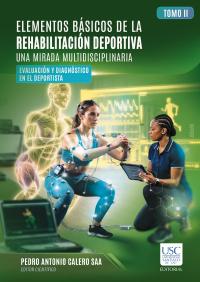
Published
November 12, 2026
Series
Copyright (c) 2026 Editorial Universidad Santiago de Cali

Details about the available publication format: Libro
Libro
ISBN-13 (15)
978-628-7914-16-2